
Scientific library
A plain summary of the published research on each compound: identity data, level of evidence, regulatory status and sources.
Summaries of published scientific literature, for information and laboratory research only. They do not describe uses of our products, are not medical advice and do not imply that any compound is safe or effective in humans. Our products are not for human or animal consumption.
 Preclinical — cell and animal studies
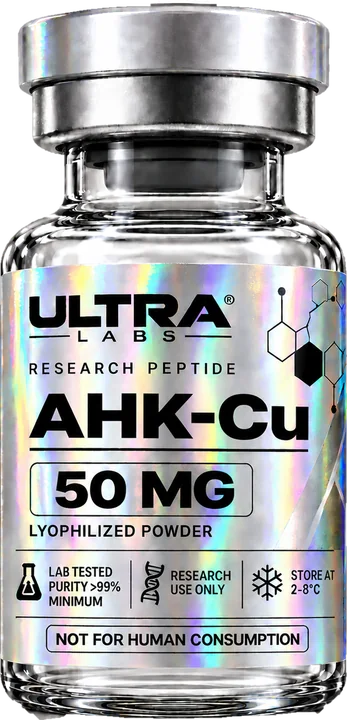
AHK-Cu
Tripeptide–copper complex
A copper-binding tripeptide closely related to GHK-Cu, studied mainly in cell models of skin and hair follicles.
Read the summary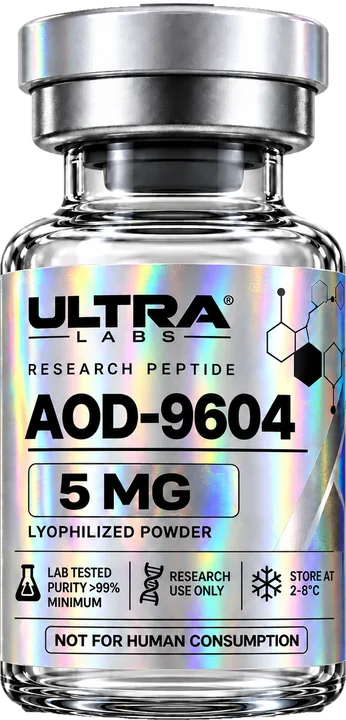 Clinical trials — controlled human studies
AOD-9604
Synthetic peptide derived from the C-terminal region of human growth hormone
A fragment of the end of the growth hormone molecule, developed in Australia as a potential anti-obesity drug. Clinical trials in the 2000s did not lead to approval.
Read the summary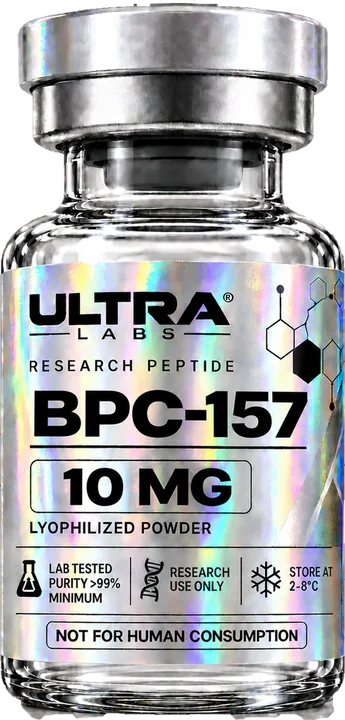 Preclinical — cell and animal studies
BPC-157
Synthetic peptide (15 amino acids)
A synthetic pentadecapeptide derived from a partial sequence of a protein found in gastric juice. Almost all published work comes from cell and rodent models.
Read the summary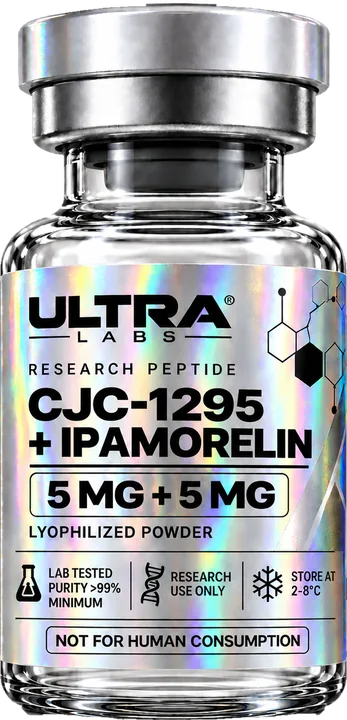 Clinical trials — controlled human studies
CJC-1295 (with DAC)
Synthetic GHRH analogue (modified peptide)
A synthetic analogue of growth-hormone-releasing hormone, linked to a chemical group that binds albumin to prolong its action. Studied in early clinical trials in the 2000s.
Read the summary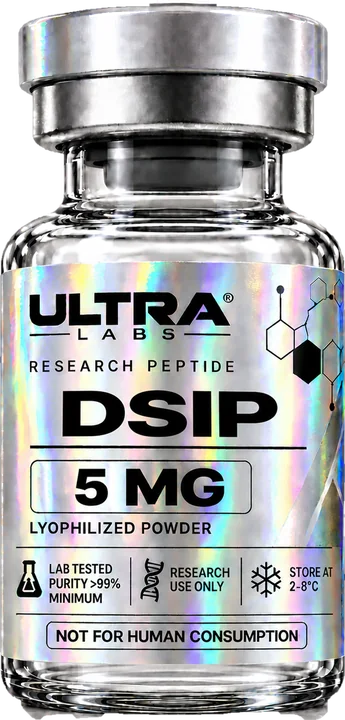 Early human data — small or uncontrolled studies
DSIP
Neuropeptide (9 amino acids)
A nine-amino-acid peptide isolated in 1977 from the blood of rabbits in induced sleep. Its role and mechanism are still debated.
Read the summary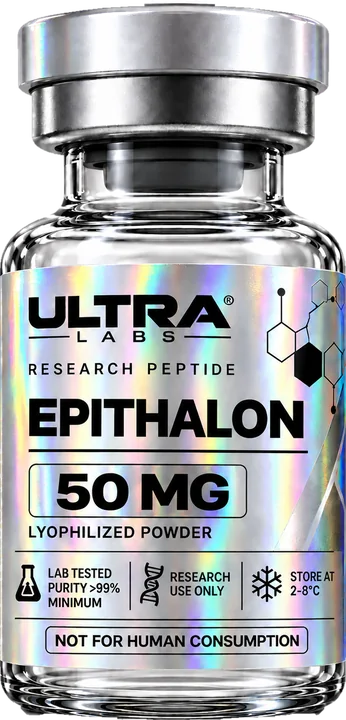 Preclinical — cell and animal studies
Epitalon
Synthetic tetrapeptide
A synthetic tetrapeptide developed in Russia, based on a pineal-gland extract. A frequent subject of aging (longevity) research, mostly from a single research group.
Read the summary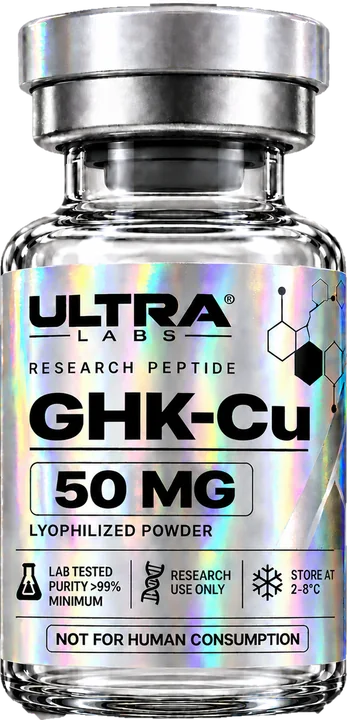 Early human data — small or uncontrolled studies
GHK-Cu
Tripeptide–copper complex
A naturally occurring tripeptide with a strong affinity for copper ions, first isolated from human plasma in 1973. Studied mainly in skin and wound-healing research.
Read the summary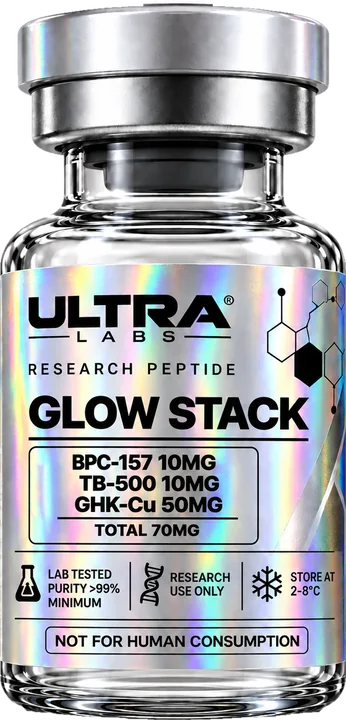 Preclinical — cell and animal studies
GLOW Stack (blend)
Blend of three peptides — not a single compound
A blend of BPC-157, TB-500 and GHK-Cu in one vial. The blend itself has not been studied as such.
Read the summary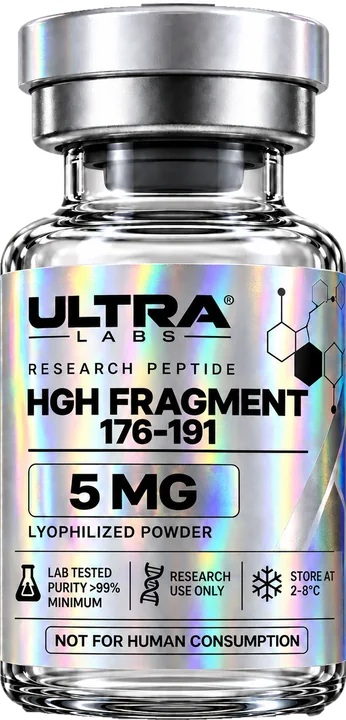 Preclinical — cell and animal studies
HGH Fragment 176-191
Synthetic peptide (16 amino acids, one disulfide bond)
The last 16 amino acids of human growth hormone, studied since the 1990s in animal models of fat metabolism.
Read the summary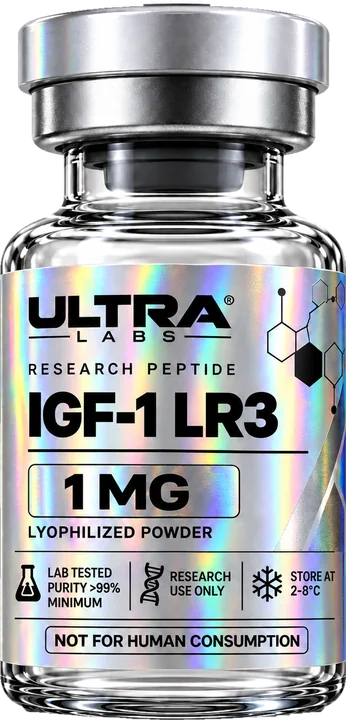 Preclinical — cell and animal studies
IGF-1 LR3
Recombinant analogue of insulin-like growth factor 1 (83 amino acids)
A modified version of IGF-1 designed to bind less to its carrier proteins. Mainly used as a reagent in cell-culture media.
Read the summary- Clinical trials — controlled human studies
Ipamorelin
Synthetic pentapeptide, growth hormone secretagogue (ghrelin receptor agonist)
A small synthetic peptide that acts on the ghrelin receptor, discovered at Novo Nordisk in the 1990s.
Read the summary 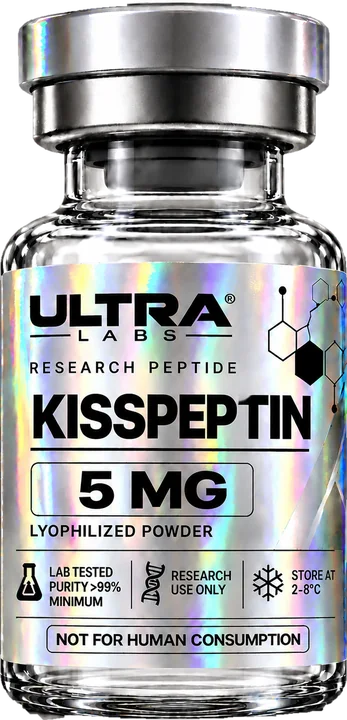 Clinical trials — controlled human studies
Kisspeptin
Neuropeptide family [product usually kisspeptin-10, 10 amino acids]
Peptides encoded by the KISS1 gene that act on the KISS1 receptor (GPR54), a key regulator of the reproductive hormone axis. Studied in human physiology research.
Read the summary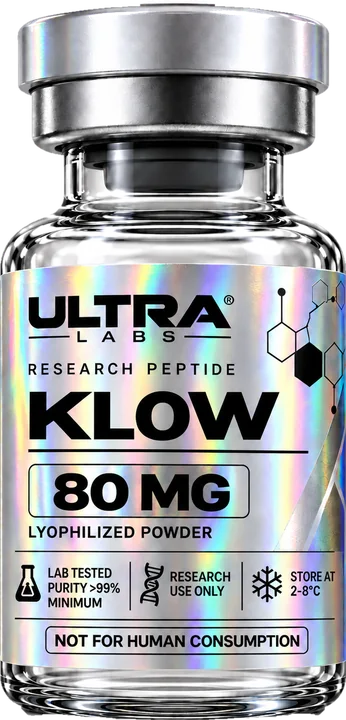 Preclinical — cell and animal studies
KLOW (blend)
Blend of several peptides — not a single compound
A trade name for a blend of several peptides in one vial, usually described as GHK-Cu, BPC-157, TB-500 and KPV. The blend itself has not been studied as such.
Read the summary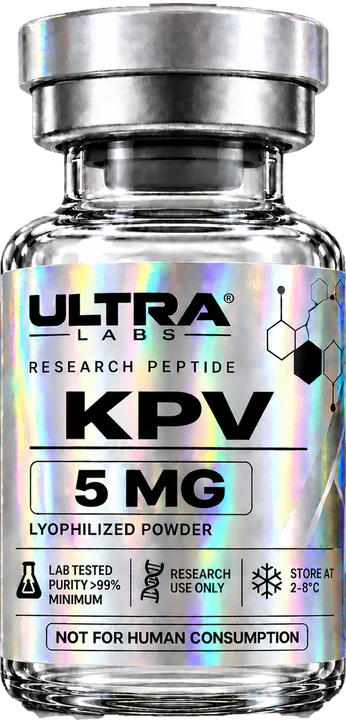 Preclinical — cell and animal studies
KPV
Tripeptide
The last three amino acids of alpha-melanocyte-stimulating hormone (α-MSH), studied for its anti-inflammatory activity in laboratory models.
Read the summary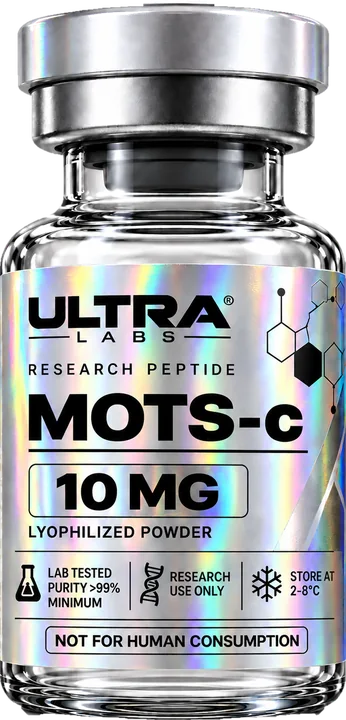 Preclinical — cell and animal studies
MOTS-c
Mitochondrial-derived peptide (16 amino acids)
A 16-amino-acid peptide encoded by mitochondrial DNA, described in 2015 and studied in metabolism and ageing research.
Read the summary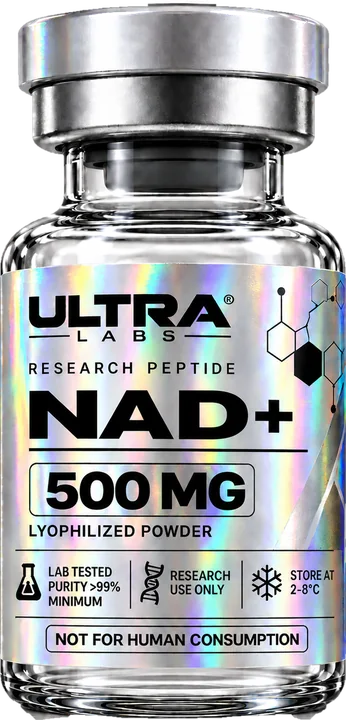 Early human data — small or uncontrolled studies
NAD+
Coenzyme (dinucleotide) — not a peptide
A coenzyme essential to energy metabolism in every cell. Its decline with age is a major topic of longevity research.
Read the summary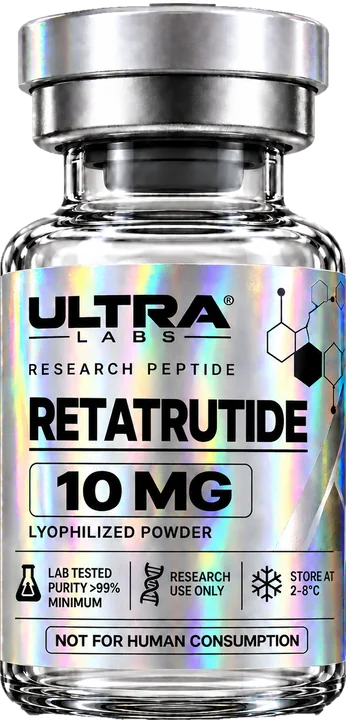 Clinical trials — controlled human studies
Retatrutide
Triple GIP / GLP-1 / glucagon receptor agonist (modified peptide)
An investigational peptide from Eli Lilly that acts on three hormone receptors. Phase 3 trials reported their first results in 2026.
Read the summary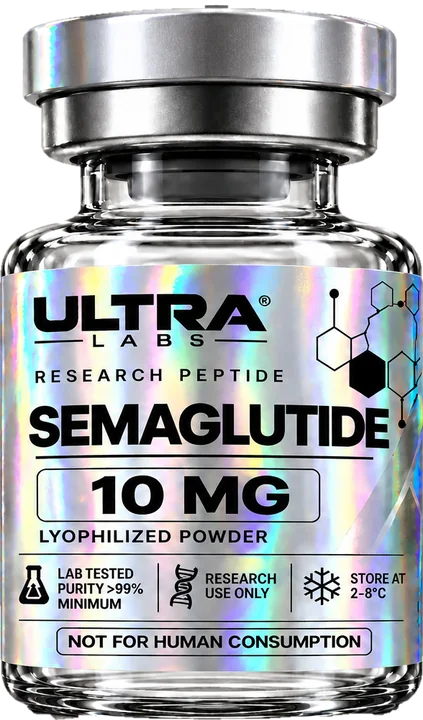 Approved as a medicine in at least one country
Semaglutide
GLP-1 receptor agonist (modified peptide)
A long-acting analogue of the hormone GLP-1, developed by Novo Nordisk and approved as a prescription medicine since 2017.
Read the summary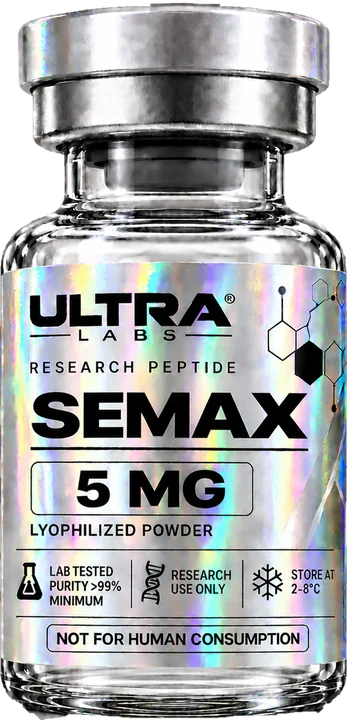 Approved as a medicine in at least one country
Semax
Synthetic heptapeptide, analogue of an ACTH fragment
A synthetic peptide derived from a fragment of the hormone ACTH, developed in Russia in the 1980s and registered there as a medicine.
Read the summary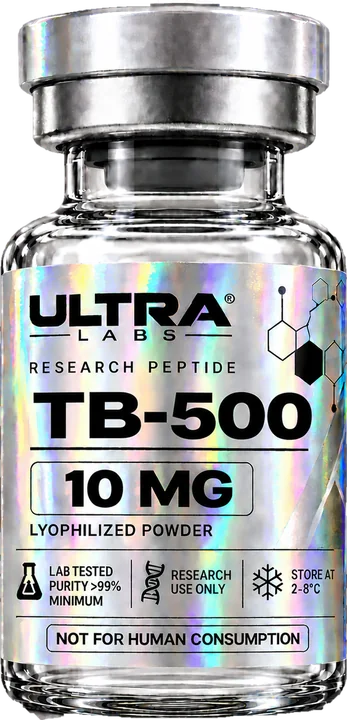 Preclinical — cell and animal studies
TB-500
Synthetic peptide related to thymosin beta-4
A name used for synthetic versions of thymosin beta-4, a 43-amino-acid protein found in most human cells, or of its actin-binding fragment.
Read the summary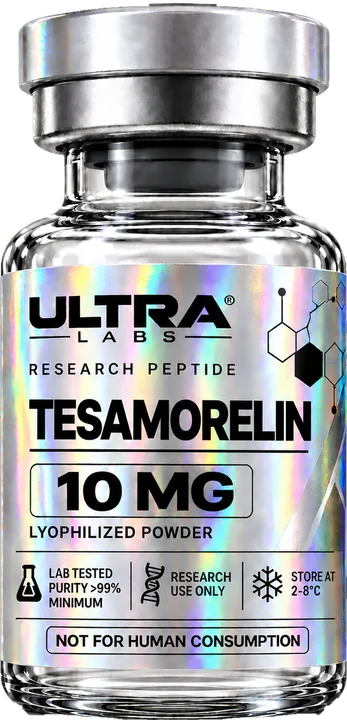 Approved as a medicine in at least one country
Tesamorelin
Synthetic GHRH analogue (44 amino acids)
A stabilised analogue of growth-hormone-releasing hormone, approved in the US since 2010 for one specific indication.
Read the summary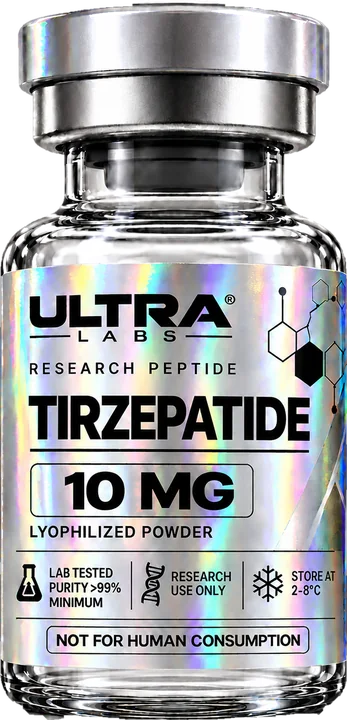 Approved as a medicine in at least one country
Tirzepatide
Dual GIP / GLP-1 receptor agonist (modified peptide, 39 amino acids)
A peptide acting on two incretin receptors (GIP and GLP-1), developed by Eli Lilly and approved as a prescription medicine since 2022.
Read the summary
No entry matches your search.