
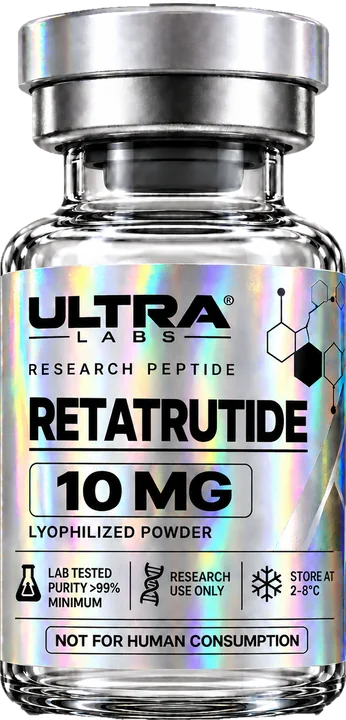
UL-RC-002Available
Batch-matched certificates of analysis
Scientific Research.Precision. Purity. Quality.
A catalogue built around traceability: every product has a reference, every batch can carry its own documentation.
- 17references
- 6categories
- COAby batch
- Batch-matched certificates of analysis
- HPLC purity and mass-spectrometry identity
- Secure checkout
- Scientific library
- For laboratory research use only
- Free delivery from 200 €
- Standard Europe 10 € 3–5 days
- Express Europe 25 € 2–3 days



How it works
Choose a reference
Browse the catalogue by category, name or SKU. Every product page states its format, reference and batch.
Check the documents
Match the batch number with its certificate of analysis before you order. Documents are published only when real.
Order securely
Add products to your cart and complete your order on our secure checkout page.
Peptides for laboratory research, delivered across Europe
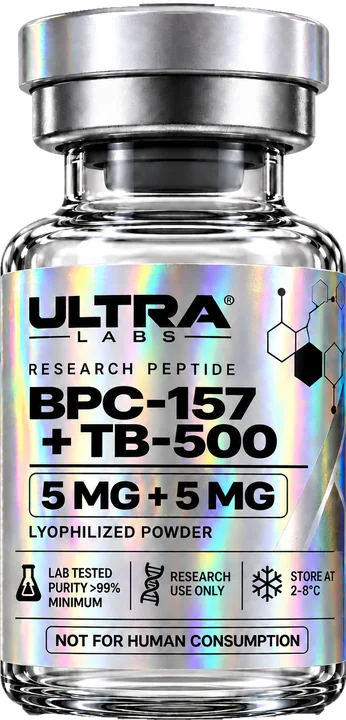
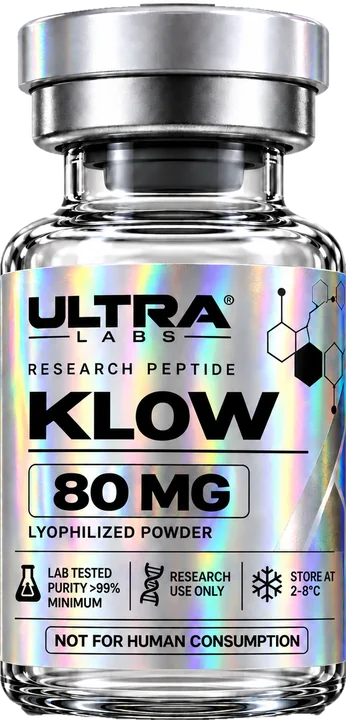
ULTRA LABS supplies research peptides such as Retatrutide (Reta), Tirzepatide, Semaglutide, BPC-157, TB-500, GHK-Cu, MOTS-c and NAD+, as lyophilised powder with a batch number and an HPLC/MS certificate of analysis for every lot.
Every reference is presented the same way: what it is, its format, its SKU, its batch and its laboratory documents. Orders are shipped across Europe with TNT, DHL or UPS. For laboratory research use only, not for human or animal use.
Best sellers
Packs
Several catalogue references grouped under one SKU, with the full contents listed on each pack.
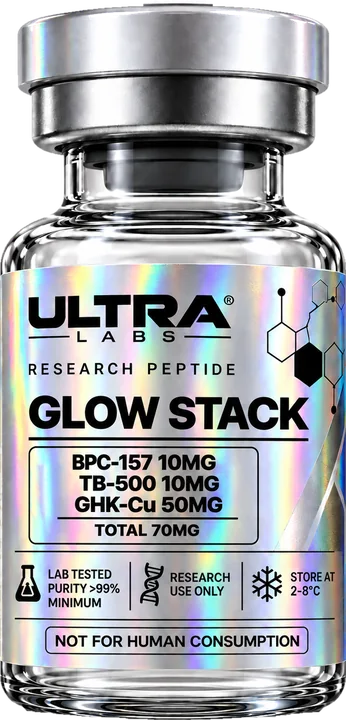
UL-SKIN-004Available
New products
All products
UL-RC-002Available
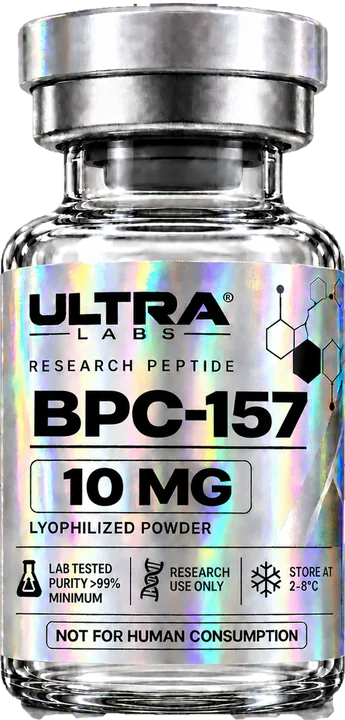
UL-REC-001Coming soon
UL-RC-005Available
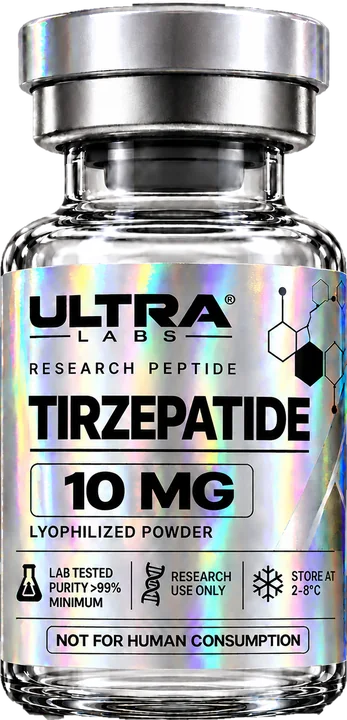
UL-MET-002Coming soon
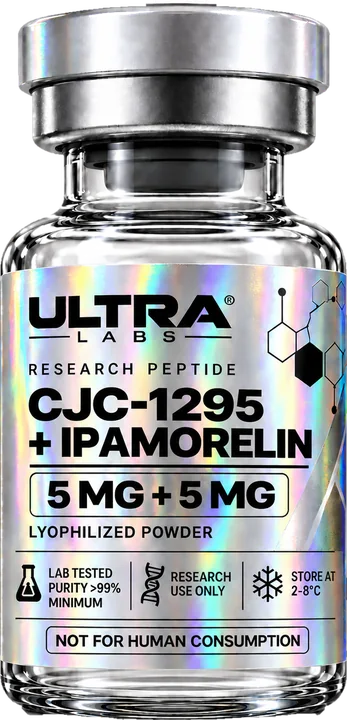
UL-GH-002Coming soon
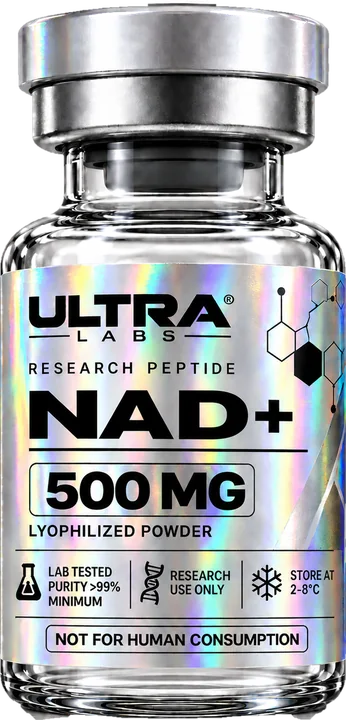
UL-RC-008Unavailable
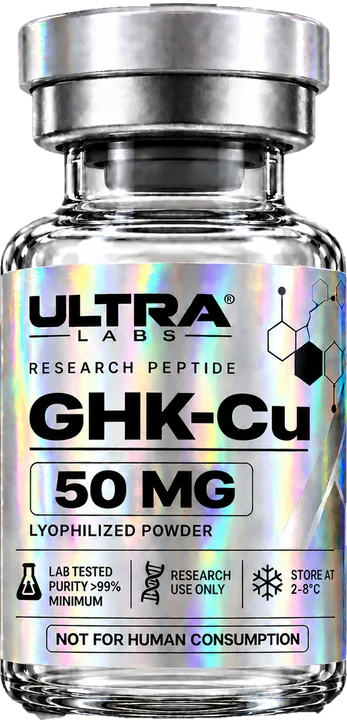
UL-SKIN-001Coming soon
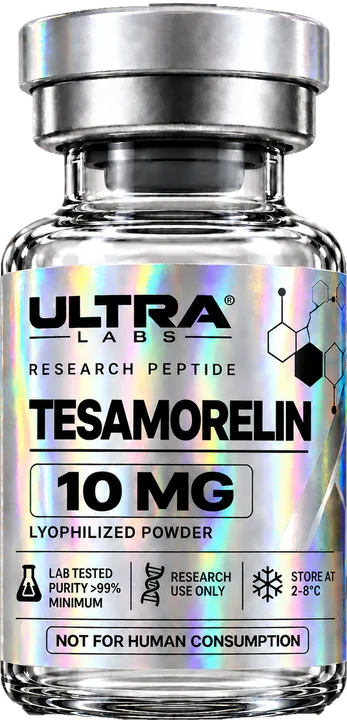
UL-RC-010Coming soon
Why ULTRA LABS
Traceable references
Each product has a unique SKU. Batches are listed with their own number so documents can be matched precisely.
Documents, only when real
Laboratory documents are published only once they have been supplied. Nothing is estimated or filled in.
A clear catalogue
Categories, search and filters let you reach any product in a few taps, on phone or desktop.
Plain information
Product pages state the facts: format, reference, batch and documentation. No promises, no claims.
Certificates of analysis
Look up laboratory documents by product, SKU or batch number. Each document is linked to the product page it belongs to.
Science & tools
Passionate about the science of longevity, we share what the published research says — clearly, with its level of evidence and its sources.
What guarantees the purity of our peptides?
At ULTRA LABS, quality, transparency and purity are at the heart of our requirements. All our peptides undergo analysis by Janoshik Analytical, an independent laboratory specialising in peptide analysis. According to our analysis reports, our products have a purity of over 99%, with many references reaching 99.70%. These results allow us to verify the analytical purity of the tested samples and reinforce the traceability of our products. Our commitment: controlled quality, independent analysis and total transparency on the results.
Why is peptide purity important?
Purity is a key criterion in scientific research. It indicates the proportion of the desired compound relative to other substances detected by the analytical method used. At ULTRA LABS, our analysis reports indicate a purity of over 99%, with many references reaching 99.70%. A high level of purity helps to limit interference from impurities in experimental work.
What is the difference between 98% and 99.70% purity?
A purity of 98% corresponds to approximately 2% of other detected components, compared to 0.30% for a purity of 99.70%, according to the measurement method used. This difference can be significant in research requiring precise characterisation of substances. However, it is important to distinguish chromatographic purity from the actual peptide content, sterility and the absence of contaminants.
How to properly store lyophilised peptides
Lyophilized peptides should be stored in accordance with the stability recommendations specific to each product. For many formulations, storage in a refrigerator between 2 °C and 8 °C is recommended. It is also advised to protect the bottles from light, humidity, and significant temperature fluctuations. Storage at −20 °C may be suitable for certain references, subject to the manufacturer's data.